Understanding Mobility Scooters: A Comprehensive Guide
Mobility scooters have ended up being a vital tool for people who deal with mobility challenges, providing self-reliance and a means of transport. They are created to assist users in navigating various terrains, whether indoors or outdoors, permitting them to engage more completely in everyday activities. This article will check out the kinds of mobility scooters, their functions, benefits, and factors to consider for potential users.
What is a Mobility Scooter?
A mobility scooter is a motorized lorry made for individuals with physical limitations. It assists users keep their mobility and self-reliance, offering an efficient methods of transportation over brief ranges. While they might look comparable to small electric vehicles, mobility scooters are generally powered by batteries, with controls designed for ease of use.
Types of Mobility Scooters
There are numerous kinds of mobility scooters available in the market, each designed to deal with various needs and preferences. Here's a breakdown of the most typical types:
| Type of Mobility Scooter | Description | Best For |
|---|---|---|
| Three-Wheeled Scooters | These scooters offer exceptional maneuverability and small turning radius however may do not have stability. | Indoor use and tight areas. |
| Four-Wheeled Scooters | Frequently more steady than three-wheeled designs, these scooters are ideal for outside usage. | All-terrain travel and outdoor activities. |
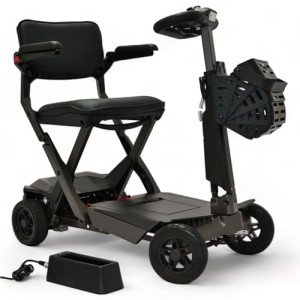
| Portable Scooters | Lightweight and foldable, these scooters are created for simple transportation. | Travelers and individuals with limited storage area. |
| Heavy-Duty Scooters | Built for bigger users, these are robust and can deal with heavier weights, typically geared up with much better battery life. | Users needing extra assistance and stability. |
| Feature-Rich Scooters | These may consist of sophisticated innovation such as Bluetooth connectivity, built-in GPS, and adjustable seating. | Tech-savvy users trying to find comfort and convenience. |
Key Features of Mobility Scooters
When picking a mobility scooter, purchasers ought to think about a number of essential features. The following list lays out vital aspects that can considerably affect their experience:
- Weight Capacity: Understanding the scooter's weight limit is essential to guarantee security and efficiency.
- Battery Life: A longer battery life equates to more prolonged usage between charges, which is crucial for prolonged trips.
- Speed: Typical mobility scooters can reach speeds between 4 to 8 miles per hour, but it's necessary to choose one that fits the user's requirements.
- Convenience: Look for adjustable seats, armrests, and back-rests that improve the total riding experience.
- Portability: If taking a trip often, a lightweight and foldable scooter is helpful.
- Surface Capability: Some scooters are better equipped for rough surfaces, while others work best on smooth surface areas.
Advantages of Using Mobility Scooters
Mobility scooters offer a number of advantages that can considerably enhance users' quality of life. These consist of:
Increased Independence
Many individuals who deal with mobility depend on family or caretakers for transportation. Mobility scooters empower users to move about easily and carry out errands by themselves, cultivating a sense of independence and self-sufficiency.
Enhanced Quality of Life
Having the ability to travel unassisted can cause social engagement, enhanced mental well-being, and in general much better quality of life. Users can get involved in social activities, see loved ones, and explore their neighborhoods.
Cost-Effectiveness
Compared to other mobility aids or services, mobility scooters can be more cost-efficient. They can get rid of the requirement for expensive adjustments to homes or reliance on transportation services.
Adjustability and Customization
Many mobility scooters include choices for customization, guaranteeing that users can customize them to best meet their specific requirements.
Factors to consider Before Purchase
Before selecting the ideal mobility scooter, potential purchasers need to keep these factors to consider in mind:
- Lifestyle Needs: Assess how the scooter will suit day-to-day routines, including the frequency and areas of usage.
- Trial Rides: If possible, taking a couple of models for a test drive can help assess convenience and maneuverability.
- Budget plan: Costs can vary commonly, so defining a budget plan upfront is important.
- Guarantee and Service: Always think about the service warranty offered and the availability of consumer service in case of repair work.
Frequently Asked Questions About Mobility Scooters
1. How quickly do mobility scooters go?
Mobility scooters usually vary from 4 to 8 miles per hour, depending upon the model and its power capability.
2. Are mobility scooters covered by insurance coverage?
Numerous insurance coverage plans may cover part of the cost if a physician prescribes the scooter; nevertheless, policies differ significantly.
3. Can I drive a mobility scooter on the roadway?
This depends on regional laws and guidelines. In some areas, mobility scooters may be allowed on public roadways, while in others, they are limited to pathways and paths.
4. For how long does click for more info ?
Battery life typically depends upon the scooter model and kind of use. Common mobility scooter batteries can last anywhere from 6 to 12 miles on a single charge.
5. Are mobility scooters safe?
Mobility scooters are generally safe when used properly. It's vital to acquaint oneself with the controls and operate them responsibly.
Mobility scooters play an essential function in the lives of individuals with mobility difficulties. By comprehending the types, features, advantages, and considerations associated with these cars, users can make informed choices. This can lead to increased self-reliance, a much better quality of life, and renewed access to the world around them. Whether for social outings, errands, or recreational activities, a mobility scooter can be a life-altering investment for numerous individuals.